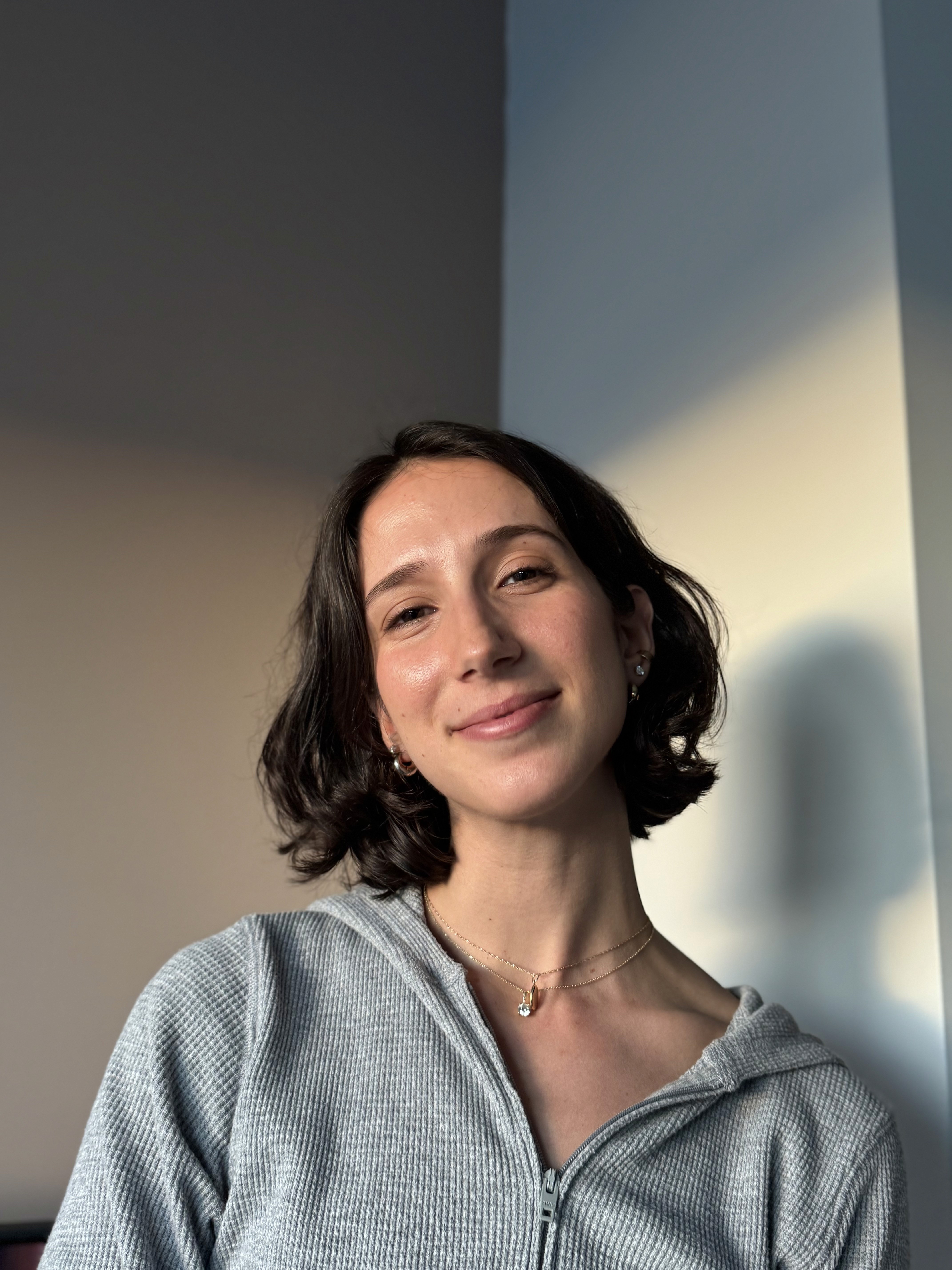

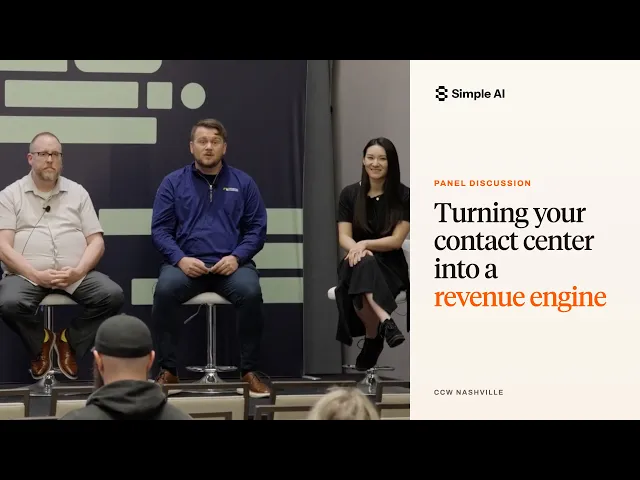
Earlier this month, our CEO Catheryn Li took to the CCW Nashville stage in a panel moderated by Jordan Zivoder (CMP), alongside Rob Bradshaw (Omaha Steaks) and Phil Engle (Renewal by Andersen). The topic? How the two legacy brands used Simple to cut abandonment, improve containment, and book $400K in new revenue in a single week. For the full conversation, watch the video below.
The problem before AI
Omaha Steaks: the December crunch
Omaha Steaks, which has sold premium steaks and seafood for over a century, does its biggest business in December. Every year, Omaha’s call center traffic increases 12x, far more than its 200 agents can manage. Omaha historically hired 5,000 seasonal employees every October, and with experienced agents moved to other seasonal jobs, the newest hires took the most important calls. Abandonment hit 16% at peak, with each percentage point costing about $1M in revenue.
Renewal by Andersen: overflow and unused leads
For Renewal by Andersen, the problem lasted all year. The company, one of the largest home improvement brands in the US, was missing out on opportunities due to a lack of resources. RbA spent up to $10K/month on a third-party overnight call center that set poor-quality leads, misrouted calls and ignored their rules. Their highly skilled reps spent most of their time fielding inbound calls, rather than pursuing high-value outbound work. Lists of potential leads went unused, because no one had the bandwidth to call them.
Finding the right vendor
Omaha Steaks first tried building its own IVA. In Five9 Studio, they built one narrow use case and reached 20% containment after 6 months. They then evaluated five vendors, and Simple won by replacing that use case in 8 days and reaching 61% containment within 3 months. As Rob said, “I took off my Superman, build-your-own-IVA cape. I threw it in the trash and I’ve never worn it again since.”
Renewal by Andersen ran a head-to-head POC for overnight rollovers. In a 4-month trial, the competitor never got as far as Simple did in month 1. But that wasn’t the only reason RbA chose Simple. Simple took DNC compliance seriously where the other vendor didn’t, and, most important to Phil, shared ownership of the results. Phil said, “My problems were [Cat’s] problems equally. And I really appreciated that.”
The results speak for themselves
At Omaha Steaks, Simple started with one sales use case, expanded to all sales, then added support, chat, and QA. Next they’re adding SMS and email, and pushing containment even higher.
Before Simple | After Simple | |
|---|---|---|
Containment | 20% (one use case) | 78% (across all sales) |
Callers asking for a human | 21% | 15% |
Seasonal hires | 5,000 | 692 |
Abandonment | 16% | 2% |
At Renewal by Andersen, Simple took over overnight calls and started following up on missed leads. Increased bandwidth allows reps to convert leads and handle objections, rather than just answering inbound.
Before Simple | After Simple | |
|---|---|---|
Overnight call handling | Third-party call center, up to $10K/month, with many errors | Simple handles all overnight calls |
Lead follow-up | None | 3-day AI call and text sequence |
Outbound appointments | 0 | 50 appointments in 1 week |
Net new revenue | 0 | $400K in 1 week |
What makes voice AI work in production
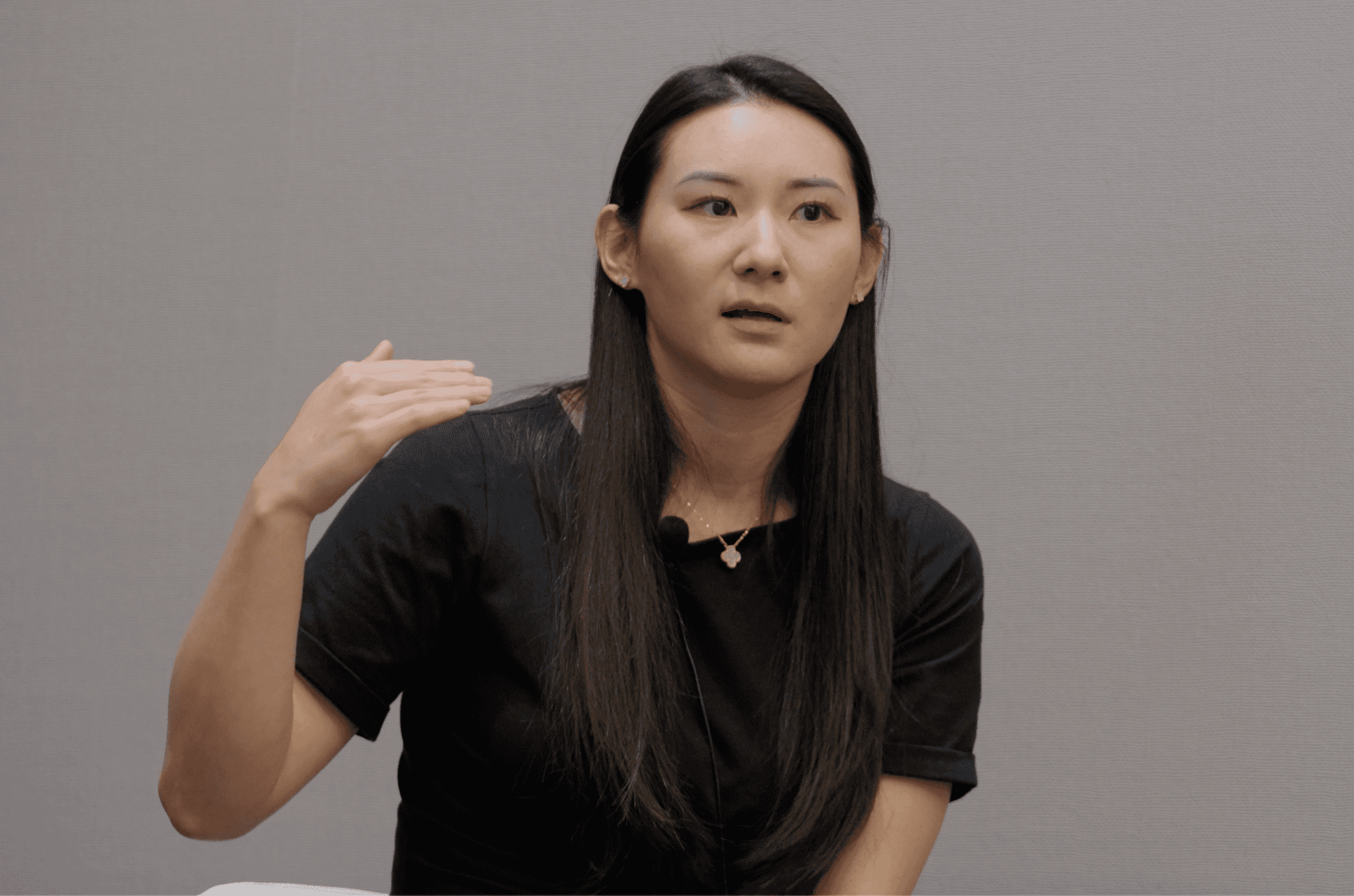
Cat’s answer to this question came down to two things: the technology itself, and customer care. The panel kept coming back to a third: personalization.
On technical infrastructure
Off-the-shelf models are either too slow or not accurate enough for a live call, so we fine-tune and host our own. A harder problem is knowing when the caller is done talking: cut in too early or wait too long, and the conversational quality is lost. That’s what Tango, our newest model, solves. Tango scores 96% on LiveKit’s public end-of-turn benchmark, making it the best in the industry. Rob said, “I didn’t even have to be told when it was put in place. I knew because I saw a great big uptick in our containment.”
On customer care
Even the best technology needs a team that cares about getting things right. As Cat put it, you can’t drop in a prompt and expect it to work. Our customers know their businesses better than anyone, and we rely on that expertise. Every agent is built through constant back-and-forth: customers test it, tell us what’s working, and we iterate from there.
At Omaha Steaks, that meant our developers working on-site for the launch, and coming back every quarter since. At RbA, Phil noted that he never had to remind the Simple team where they’d left off. As he said, “It’s not just looking at what the bot does. It’s who’s making the bot.”
On personalization
If a customer places an order and calls back a week later, imagine their delight in hearing, “I see you ordered a package last week, are you calling about that?” Simple’s agents have persistent memory, which means they remember customers’ preferences, addresses, order history, and life events. According to CMP’s research, customers that are satisfied with their level of personalization are four times more likely to be satisfied with their experience. Whether it be over voice, chat, email, or SMS, that memory carries through.
Three lessons for contact centers just starting with AI
Don’t be afraid to start with revenue. AI can outsell seasonal reps. For Omaha, “The AI agent actually beat the humans at the upsells and the add-on items. It was not even really close.”
Be creative. Test voice, accent, phrasing and offers faster than you ever could with human reps.
Change your mindset. When AI learns from your best reps, the new job is making your best even better.
The takeaway
Omaha Steaks and Renewal by Andersen came to Simple with very different problems. One needed to survive a 12x holiday surge, while the other needed to stop leaving leads on the table. Both ended up in the same place: with a contact center that drives revenue.
Each started with one narrow use case, proved it worked, and built from there. Today, Omaha’s AI agent beats its human reps on upsells, and RbA turned a forgotten lead list into $400K in a single week.
If your contact center is still seen as a cost center, start with one solvable problem. Book a demo to talk to our team about yours.